An ancient healing modality revolutionised for modern times, now integrated into massage therapy practice.

What is Cupping?
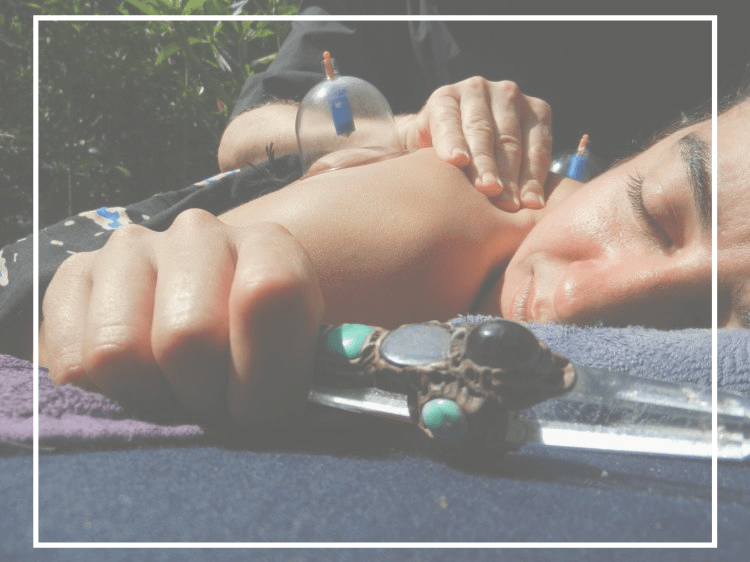
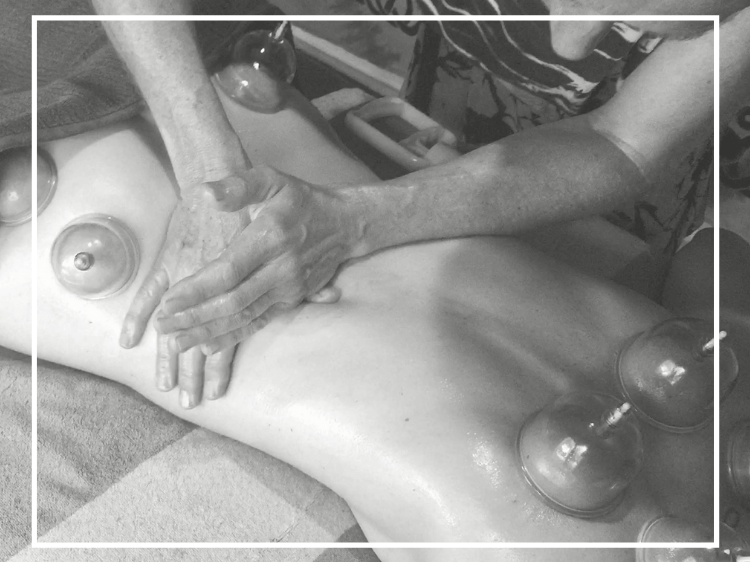
Suction cups are placed on sore muscles, trigger points or acupuncture/acupressure points. Air is removed from the cup by a pump, causing the skin and muscle underneath it to be sucked into the cup.
The pressure is adjustable and can be light, medium or hard. The cups can be left on (called static cupping) for 5-20 minutes. The pressure may be adjusted during that time. Some treatments involve flash cupping which only leaves the cups on for a short duration. Sometimes the cups are moved along a muscle or meridian line; this is known as sliding cups.
Cupping therapy aims to:
- Activate blood, Chi energy, oxygen and nutrient distribution throughout the body to repair tissue damage and improve muscular performance
- Increase lymphatic output for maximum fluid absorption, immune function and waste disposal
- Reduce musculoskeletal pain and tightness by inducing muscle relaxation through stretching of muscular fibre
- Improve joint mobility and flexibility
Cupping Prices
When combined with a massage, there is no extra cost for cupping therapy. However it is not always possible to combine massage with treatment for specific injuries.
Depending on the condition you may need 5-7 sessions and can do up to 3 sessions per week, though once or twice per week is preferred. In the event your skin responds with heavy cupping marks, it would be prudent to wait for the marks to mostly dissipate before having another session. Chronic conditions usually require more sessions.
Before each session your condition will be reviewed and your treatment plan modified if required.
| Initial Consultation | $15 |
| Short Session (10-20 mins) Applying light to medium strength static cupping for 5-10 minutes and then sliding cups for another 5-10 minutes. | $10-$20 |
| Medium Session (15-30 mins) Increases the duration of cupping to 10-15 minutes and/or the strength of the static cupping from medium to strong, with sliding cups for 5-15 minutes. | $15-$30 |
| Long Session (20-35 mins) Increases the duration of cupping to 15-20 minutes and/or the strength of the static cupping to strong, with sliding cups for 5-15 minutes. | $20-$35 |
| Stand alone cupping therapy (60 mins) Charged by the minute | $60 |
Thanks for the cupping sessions, the relief it gave me was fantastic. I had more energy and my pain level became significantly less. You have the gift. Thanks for sharing it.
Julie Hamilton – Brisbane, 1st Dec 2016
The secret history of Cupping
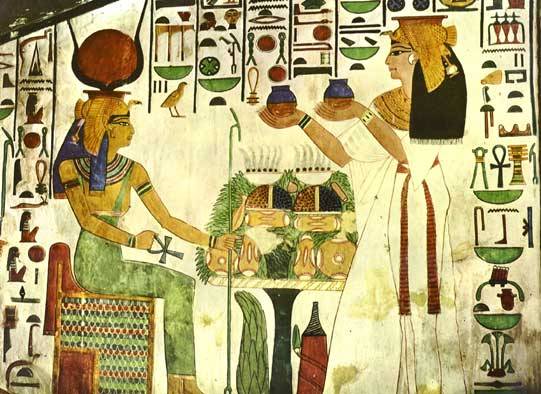
Until the advent of modern medicine, cupping therapy was practiced in European, English and America hospitals from the 17th century. Before that it was utilised by traditional folklore practitioners for thousands of years in Mediterranean and Middle Eastern cultures, as well as throughout South America and Asia.
Today, cupping is a foundational practice of Traditional Chinese Medicine, where practitioners have adapted and integrated cupping into their medical practices, developing and modernising cupping equipment and techniques.
‘Bleeding’ a patient was a common medical practice in those days and cups were also used to extract blood from different parts of the body (known as wet cupping). It was a lot easier than using leeches!
Dry cupping does not extract blood and is now being utilised by body workers and physiotherapists to help support people with musculoskeletal problems, including sports injuries, as well as for cosmetic purposes.
Cups were originally made from animal horns or bamboo. This progressed to ceramic cups and then glass cups heated with a fire stick to create an air vacuum. In the USA cupping was so popular in the late 18th century, mechanical cupping devices were patented and it was a service offered by barbers to treat the common cold!
Modern cups are manufactured with rubber and silicon, utilising air valves operated by pump action. These cups are safer to use as there is no naked flame and it is easy to adjust the suction pressure to avoid pain.
What is the therapeutic benefit?
Stagnant blood and toxins stored in knotted muscles, organs and skin fascia are sucked to the surface of the skin. Chinese medicinal practitioners consider these conditions block the flow of chi energy.
Fresh blood is then able to flow to the impacted area, rejuvenating the sore muscles, organs or skin. This also enables the chi energy to flow freely. The skin is the largest organ in the body and has the ability to heal quickly.
Cupping therapy is an alternative, natural form of treatment that does not rely on the conventional use of drugs or other medication to effectively manage musculo-skeletal conditions.
The suction action of cupping promotes healing by activating the body’s instinctive repair mechanism which increases fibroblast cellular activity, collagen and elastin production for musculo-skeletal rehabilitation.
Much like remedial massage, cupping therapy is utilised to impact deep muscular tissue by manipulation of the superficial, fine tissue layer of fascia that protects body structures such as muscles, nerves and bones.
It promotes the regeneration of lost muscle, tendon and connective tissue in response to injury or disease. As such, cupping therapy is excellent for accelerating muscle recovery after injury or stress fatigue due to overuse.
Cupping therapy has many additional health benefits due to its ability to stimulate the lymphatic system and promote immunity and detoxification. It activates the free flow of nourishing blood and Chi energy through the vessel network and energy meridians of the body, resulting in rejuvenation.
Are you able to be cupped?
Cupping is suitable for anyone from the age of four upwards…
Unless you are:
- extremely dehydrated or have severe/prolonged diarrhoea
- experiencing anxiety, depression or panic attacks
- more than 6 months pregnant
- taking blood thinning medications
- recovering from a recent contusion (bruising from a serious accident), angina (chest pains), cardiac complications or a recent operation
Or if you have:
- a fever (cold sweat and/or high temperature)
- a skin infection
- inflamed organs or ongoing inflammation such as thrombosis or phlebitis (vein inflammation)
- a blood virus, disease or clotting disorder eg anaemia, haemophilia
- heart disease
- any kind of tumour
- gastric or duodenal stomach ulcers
- epilepsy or are suffering from seizures or convulsions
- lymphatic cancer
Cupping should not be applied on the following areas:
- on varicose veins
- on areas of recent trauma such as broken bones, fractures, torn ligaments, cuts or burns
- over bleeding wounds
- over skin moles
- over the kidneys
Care needs to be taken when applying cups in the following situations:
- If you are feeling lethargic or extremely tired
- fasting or have an empty stomach (may lead to fainting)
- thin skinned or have sensitive skin
- taking topical steroids
- suffering from hypertension (low blood pressure) or hypotension (high blood pressure)
- pregnant – ok if you are up to 6 months pregnant and if not applied to lower abdomen
- menstruating – not to be applied to the lower abdomen
- dehydrated – drink water before and after your session
Side effects and precautions
Side effects may include:
- Temporary lightheadedness post treatment – caused by increased blood flow to the brain.
- Cupping marks – these are temporary round marks left on the skin that range in colour from pink/light red to deep purple. It can take 3-21 days for the skin to return to its normal colour. For a few days after treatment these marks can feel tender if touched or pressure is applied. The marks are not bruises. The medical term for the marks is ecchymosis (a leakage of blood into the skin from the capillaries). They are commonly known as ‘hickeys’ or ‘love bite’. There is no external or internal damage inflicted to the skin.
- Sore muscles after the session – caused due to detoxification and lack of hydration. It is essential to drink plenty of water after your session to flush toxins from your body.
On rare occasions…
- Nausea, fainting and blisters
- Blisters are more likely to occur for people who live in humid/tropical environments or have had prolonged exposure to breathing in moist/damp air or mould spores.
- Should blisters appear you will be informed and they may be popped with a sterilised needle and the liquid removed and absorbed with tissues. It is a painless procedure. Diluted antiseptic tea tree oil will be applied to prevent later infection.
Conditions that can be supported with dry cupping
*Cupping is not suitable for everybody. Any care or recommendation made by a therapist is not a substitute for a doctors/physician’s care.
There are many other ailments that can be treated with a combination of cupping, moxibustion, medicinal herbs and/or acupuncture. Consult with your local therapist trained in Traditional Chinese Medicine for more information. (Search ‘acupuncture’ on-line and enquire whether the therapist incorporates suction cups in their treatments).
Musculoskeletal Conditions In The
- Ankles/Feet/Toes
- Arms/Shoulders/Rotator Cuffs/Elbows
- Wrists/Hands/Fingers
- Back /Neck
- Buttocks/Hips
- Thighs/Knees/Calves
 Pathways Massage